Review of the 2026 Call for Projects
A 2026 research call full of new ambitions!
Ferments du Futur (FdF) launched its 4th call for projects in November 2025. This research call is renewed annually under the same conditions and is open to all French public research institutions as well as Technical Institutes affiliated with the ACTIA.
The call seeks to overcome scientific and technological barriers that slow innovation in the fields of ferments, fermented foods, and food biopreservation. This year again, the call was exclusively thematic.

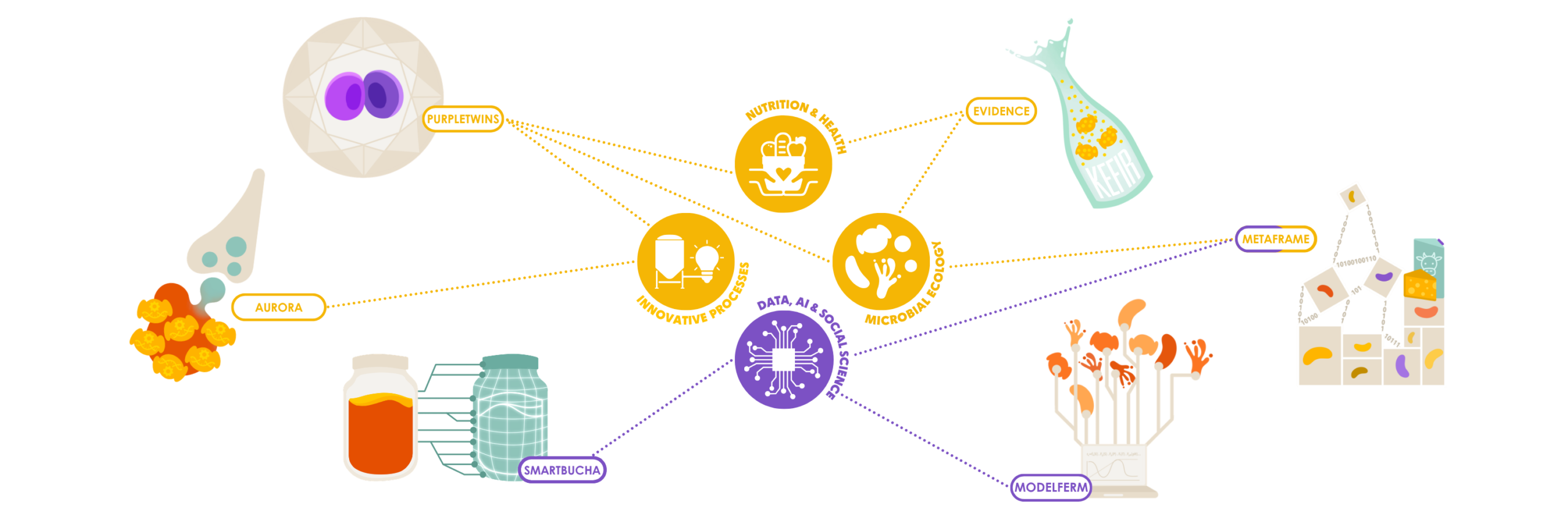
- Microbial ecology
- Innovative processes
- Nutrition and Health
- Data, IA and Social Sciences
Project proposers are strongly encouraged to submit creative, innovative, and unique projects.
Proposals submitted under the General category will be evaluated based on their ability to explore new concepts, emerging trends, or technological and scientific breakthroughs.
The Thematic section, the topics addressed concerned one of the following 3 themes:
-
Optimisation, rentability and durability of fermentation processes
The challenge: Designing fermentation processes or modifying existing ones to make them more sustainable, more robust, and more cost-effective.
- More sustainable: valorization of byproducts, reduction of energy and water consumption, adaptation to the challenges of decarbonization.
- More robust: tools and strategies to optimize scale-up, whether through high-tech approaches (continuous fermentation, FMS) or low-tech approaches (robustness, non-sterile processes, consortia).
- More cost-effective: enhancing the competitiveness of processes, particularly for high-value-added applications (health, targeted nutrition). -
Modeling to guide production and functional outcomes
The challenge: Using data science, modeling, and artificial intelligence to guide and control fermentation, from the microbial level to the targeted health effect.
- Multiscale modeling: from the microbial consortium to the production of specific metabolites, incorporating nutritional and process constraints.
- Integrating data, AI, and bioprocesses: moving beyond the “1 model = 1 process” paradigm to create cross-disciplinary tools.
- Functional prediction: steering fermentation processes toward verifiable metabolic signatures or health effects. -
Precision fermentation and microbial engineering
The challenge: Develop microbial platforms and fermentation processes that allow for the precise control of the production of metabolites or functions of interest.
- Microbial platforms: engineering of microorganisms—particularly anaerobic and commensal strains—to improve robustness (scale-up and industrialization, environmental adaptation), yield, activity, sustainability, and production of target metabolites.
- Advanced process control: development of bioprocess control mechanisms to regulate and optimize the expression of metabolic pathways and the production of biomass or metabolites of interest.
Once again this year, the selection process took place in two stages:
- Letters of intent (2 pages) are submitted at the beginning of February. This year, we received 27 letters ! Members, through the Strategic Orientation Committee (COS), selected 12 letters to proceed with the selection process.
- Exploratory projects (5 pages) are co-developed with private FdF members, submitted mid-May and presented orally during the major oral session in June.
Following the oral presentations, 6 research projects were selected. Each project lasts 2 years and has a maximum budget of €250,000, totaling €1.5 million allocated to French academic research by FdF for this 2026 call. Project start dates are planned between October 2026 and January 2027. The creation of project committees will ensure the connection with the consortium, participation in strategic directions, oversight of deliverables, and will play a key role in the strategy for valorizing results.
2026 Laureates: A Wealth of Projects and Research Institutions Honored
Once again this year, the topics are very diverse: the creation of natural flavors alternatives (#AURORA), an analysis of the benefits of extracellular vesicles (#EVIDENCE), the development of generalized and predictive models (#MODELFERM & #METAFRAME), the use of digital twins (#SMARTBUCHA), and the study of a bacterial duo for directed fermentation (#PURPLETWINS).
AURORA: Advanced yeast fermentation for Unique and RObust aRomA production system
Natural flavors and aroma compounds are in high demand across the food, cosmetics, and fine chemical sectors, driven by consumer preference for clean-label ingredients and concerns about environmental impact and sustainability. Precision fermentation offers a promising alternative to chemical synthesis and plant extraction. However, microbial aroma production remains limited by low yields, metabolic burden, and challenges in scalability and process integration.
The AURORA project aims to establish an integrated bioproduction pipeline combining yeast strain engineering, synthetic community, precision fermentation, and downstream processing for sustainable natural aroma production. We will develop yeast synthetic communities to produce aroma compounds from sugars as an alternative to the conventional bioconversion strategy that needs expensive precursors. Precision fermentation in a bioreactor will be coupled with selective in situ product recovery to enhance the productivity, robustness, and sustainability of the integrated process. Product fractions will be recovered and characterized through sensory analysis, enabling a feedback-driven process optimization.
This project will enable fermentation-based, clean-label alternatives to conventional flavors, contributing to the development of a sustainable circular bioeconomy.
Project led by AgroParisTech, INRAE and Université Paris Saclay.

EVIDENCE : Extracellular Vesicles production by food-associated yeast: an emerging domain of discovery and innovation
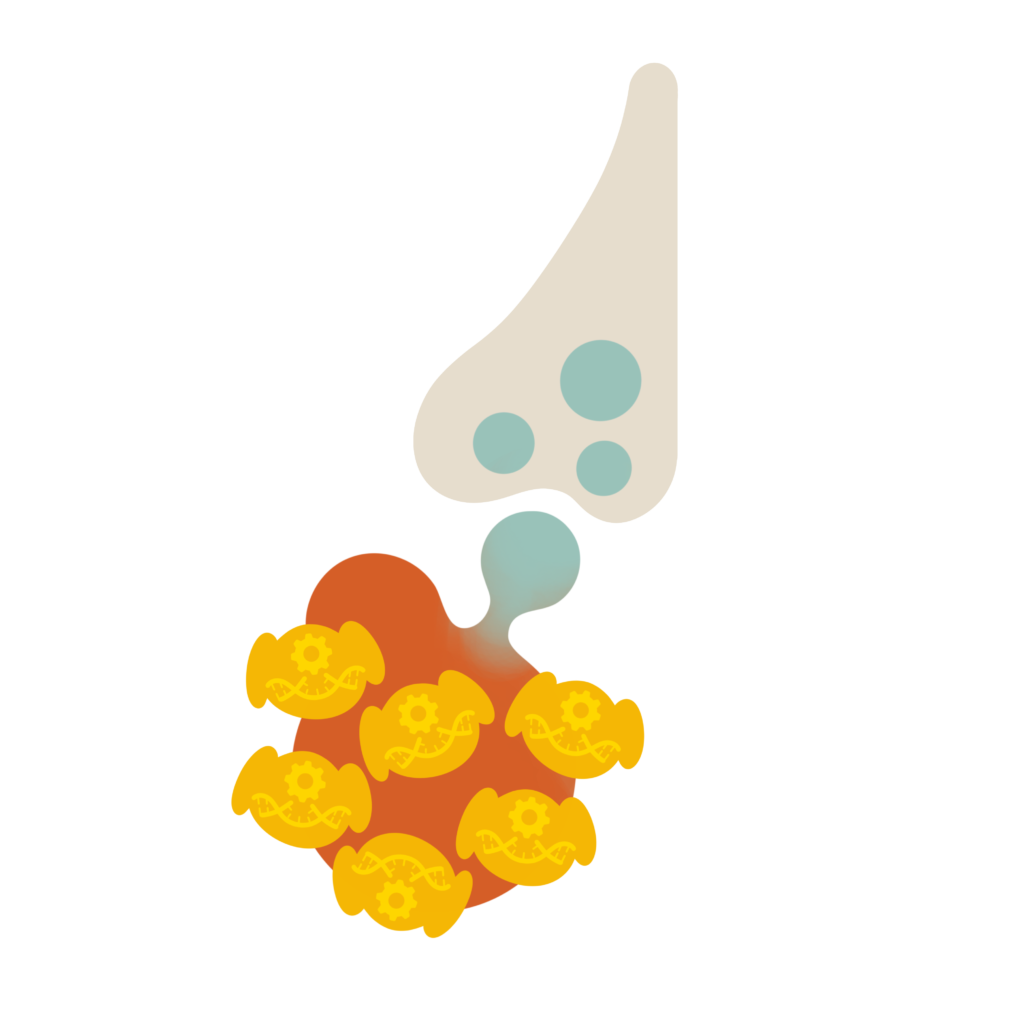
Extracellular vesicles (EVs) are cell-derived nanoparticles that carry various bioactive molecules such as proteins, nucleic acids, lipids, and metabolites. EVs have been the subject of numerous studies in mammals and are now used in many clinical applications. In contrast, research on EVs in microbiology remains limited, particularly for nonpathogenic yeasts, despite their widespread use in food fermentation and their potential health benefits.
This project aims to characterize the diversity and functional potential of EVs produced by yeasts derived from fruit kefir. During the project, the consortium will focus on optimizing EV production, isolating the EVs, and characterizing their composition. Proteomic, microscopy, and cell biology approaches will be employed to clarify the characterization and functionality of these EVs.
The goal of EVidence is to shed new light on the production, composition, and, potentially, the contribution of yeast EVs to the health benefits of fermented foods, and to open up new avenues for innovation in the field of bioactive ingredients derived from fermentation.
Project led by AgroParisTech, INRAE and Université Paris Saclay, in collaboration with CNRS, l’INSERM and Université Paris Cité.
METAFRAME : Advancing metabolic function prediction through integrated genomic and high-throughput phenotyping
Predicting the metabolic capabilities of a bacterium or a bacterial consortium directly from its genome(s) remains a major challenge, despite the availability of genomic annotation tools and metabolic model reconstruction tools.
Phenotyping represents a major bottleneck in linking the genetic potential of bacteria to their functions and fully harnessing their diversity. Current experimental approaches, which are costly and time-consuming, severely limit scalability.
METAFRAME aims to overcome this obstacle by developing predictive approaches based on omics data to improve the prediction of microbial phenotypes in fermented foods, while stimulating the efforts of the scientific community working with these data. To achieve this, we will construct a reference dataset focused on lactic and propionic bacteria, integrating both public databases (BacDive, metaTraits, DSMZ) and internally developed databases. These initial data will be enriched with kinetic phenotypes (sugar consumption rates).
Unlike existing datasets, ours will focus on traits relevant to food, ensuring broad species coverage and high phenotypic diversity. Two complementary modeling approaches will be developed to provide high-precision predictions:
(1) an approach using machine learning models applied to the pan-genome based on interpretable biological features (genes, orthologs, etc.) and (2) an approach based on AI models, drawing in particular on the growing availability of foundational models for omics data.
The project will ultimately deliver a public database compliant with FAIR principles, comprising pre-trained models and easily reusable data, which will serve as the basis for organizing a data challenge, in partnership with DataIA, to generate momentum around these issues within the data science community. The tools developed will facilitate large-scale in silico selection of strains for bacterial consortium design.
Project led by INRAE, L’Institut Agro Rennes and Université Paris-Saclay, in collaboration with AgroParisTech.

MODELFERM : Development of a generic model for fermentation processes for food and nonfood applications
Fermentation processes convert, among other things, carbohydrates into various molecules (acids and/or alcohols, H₂, and CO₂) and, whether intended for food or non-food purposes, involve a wide range of metabolic reactions. These reactions occur to varying degrees depending on the microorganisms involved (bacteria and/or yeasts) and the operating conditions (pH, temperature, retention time, gas transfer, etc.).
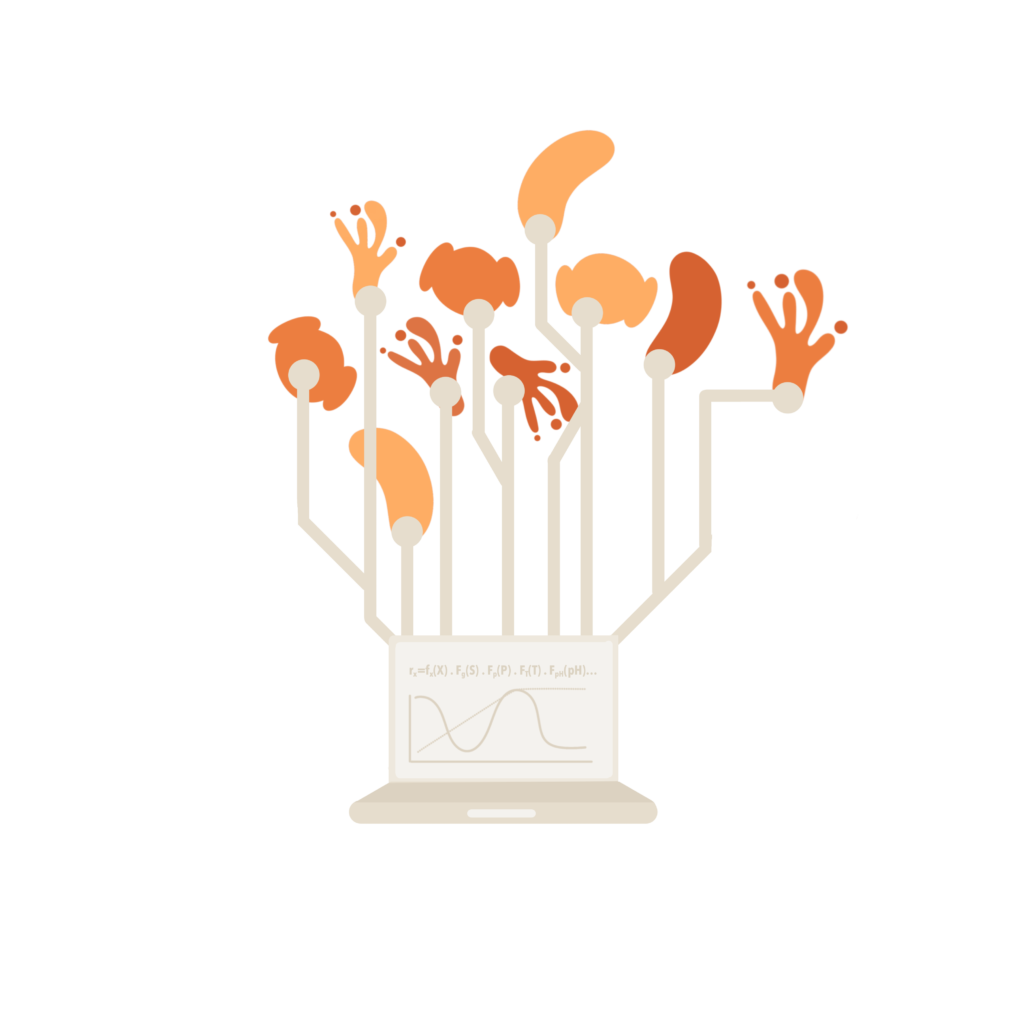
Seven INRAE laboratories specializing in fermentation processes have been sharing their expertise for the past four years as part of the “TransFermentation” consortium. This has led these laboratories to develop a common vocabulary and identify shared research questions, as their various fermentation processes share many similarities, regardless of their intended purposes. In particular, they have recognized that developing a mathematical model capable of synthesizing the various bodies of knowledge and expertise on fermentation processes and representing the different metabolic pathways that may be involved in these processes would be particularly relevant to the field, thereby providing a useful common foundation for the entire academic and industrial community.
That is the goal of this project: to develop a generalized mathematical model that combines mass balance, thermodynamics, and, potentially, artificial intelligence, in order to enable the simulation of all relevant fermentation processes, the in silico testing of specific operating conditions, and to serve as a foundation for the development of software sensors and/or digital twins.
Project led by INRAE, in collaboration with AgroParisTech, CNRS, INSA Toulouse, l’Institut Agro Montpellier, l’Institut Agro Rennes, Université de Montpellier and Université Paris Saclay.
PURPLETWINS : Understanding and optimization of the Rhodopseudomonas-Cereibacter twin-engine for directed fermentation
In light of food sovereignty challenges, non-sulfur photosynthetic bacteria (PNSB) represent a major opportunity for producing sustainable, nutrient-rich microbial proteins. However, their industrial deployment faces a dilemma: mixed cultures are robust but unpredictable, while pure cultures are reproducible but fragile.
The PURPLETWINS project overcomes this obstacle through the discovery of a naturally occurring synergy between two species: Cereibacter sp. and Rhodopseudomonas sp. Present in the highest-performing cultures, this association forms an ideal ecological “dual engine.” The goal is to reconstruct this defined synthetic consortium in order to understand this synergy and combine the regulatory safety of pure cultures with the robustness of mixed cultures.
By adjusting key parameters (light, pH, nutrients), the team will characterize the performance and stability of this duo (in batch and continuous modes), the nutritional and functional quality of the biomass, as well as its safety. These data will feed into a predictive hybrid model that will guide the control of the bioprocess. PURPLETWINS will thus lay the groundwork for a directed, scalable, and secure fermentation platform for the food of the future.
Le projet PURPLETWINS lève ce verrou grâce à la découverte d’une synergie naturelle conservée entre deux espèces : Cereibacter sp. et Rhodopseudomonas sp. Présente dans les cultures les plus performantes, cette association forme un « double moteur » écologique idéal. L’objectif est de reconstruire ce consortium synthétique défini afin de comprendre cette synergie et d’allier la sécurité réglementaire des cultures pures à la robustesse des cultures mixtes.
En ajustant des paramètres clés (lumière, pH, nutriments), l’équipe caractérisera la performance et la stabilité de ce duo (en batch et en continue), la qualité nutritionnelle et fonctionnelle de la biomasse, ainsi que son innocuité. Ces données alimenteront un modèle hybride prédictif guidant le pilotage du bioprocédé. PURPLETWINS posera ainsi les bases d’une plateforme de fermentation dirigée, modulable et sécurisée pour l’alimentation du futur.
Project led by INRAE, in collaboration with EN Vet Toulouse, INP Toulouse, L’Institut Agro Rennes, PURPAN and Université de Toulouse.

SMARTBUCHA : Deep Learning for Robust Control of Fermentation Microbiomes: Kombucha as a Model System
Fermented foods and beverages owe their quality, flavor, and health properties to communities of microorganisms. These communities are difficult to predict and control: fermentations started under similar conditions can develop differently, limiting reproducibility and making process design dependent on trial and error.
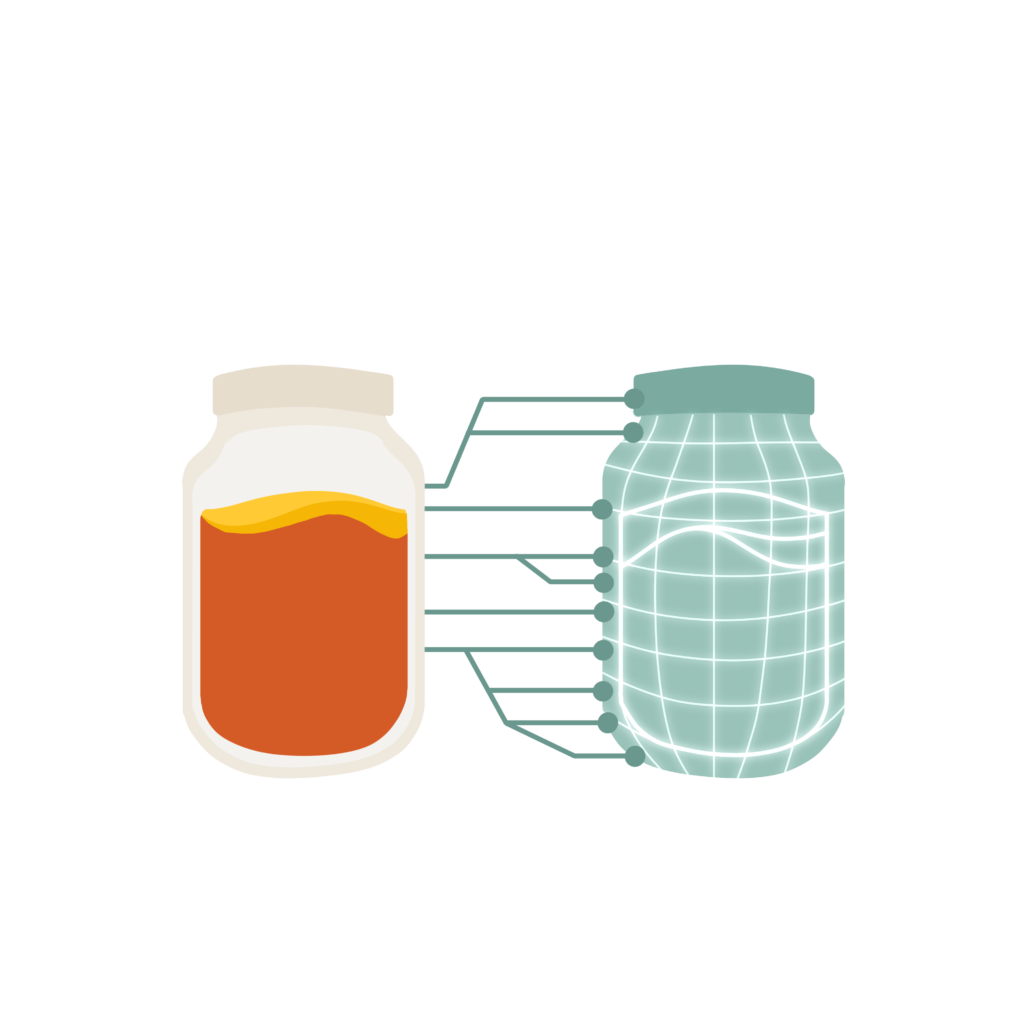
The SmartBucha project aims to make complex fermentations more predictable and controllable, using kombucha, a tea fermented by a community of yeasts and bacteria, as a model system. Kombucha is simple enough to study in the laboratory, yet complex enough to capture the challenges of real fermentation processes.
The project combines controlled fermentation experiments, microbial and chemical measurements, and artificial intelligence to build a digital twin of kombucha fermentation: a computer model that predicts how fermentation develops under different process conditions.
The project will provide a proof of concept for smart fermentation systems that can help producers achieve more consistent and better-controlled results.
Project led by INRAE and Université Paris-Saclay.
Researchers, see you by the end of the year for the 5th edition of the call for projects!
For further reading...